
What a Windstorm Taught Me About Letting Things Grow
We spend a huge amount of our lives trying to protect the things we love. We protect our careers, our homes, our relationships, our plans and even ourselves. We convince ourselves that if we're careful enough, attentive enough and prepared enough, nothing bad can happen. If we can just anticipate every problem before it arrives, we'll be okay. Gardening taught me otherwise.
One of the first gardens I can remember was in the summer of 2002. My family had just moved into a new house, and out behind it sat a big vegetable garden that felt enormous through the eyes of a six-year-old. We planted just about everything you could imagine: zucchini, tomatoes, potatoes, broccoli, corn, peas, beans, cucumbers and peppers. Every row promised something different.
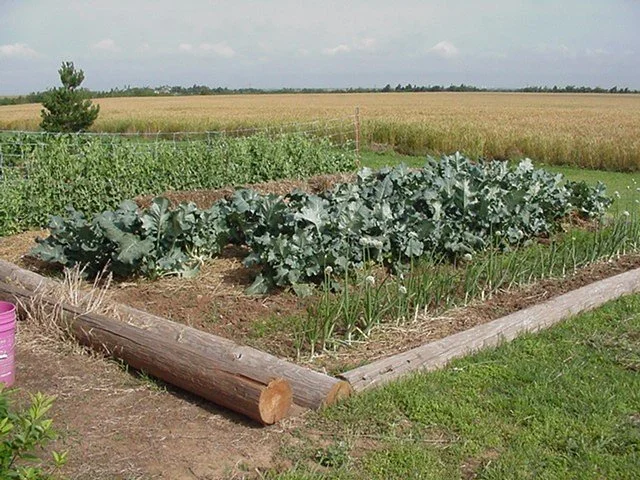
Carrots, broccoli, peas and cucumbers in my family’s garden in Garber, Oklahoma. (Kevin Severin)
There was something magical about walking out there every evening. My brother and I would hunt for caterpillars like we had been assigned the world's most important mission. We'd haul heavy watering cans that always seemed much larger after we'd filled them. Then we'd spend a few minutes measuring the plants against our memories from the day before, convinced they had grown three inches overnight.
Waiting was half the fun. Every little green tomato felt like a promise. Every tiny pepper hinted at future salsa. Every stalk of corn looked like it belonged on a farm much larger than our own backyard. Then came dinner. My mom transformed everything we picked into meals that tasted better than anything from a grocery store. Looking back, I think the vegetables tasted like summer, family and the satisfaction of watching something grow from almost nothing.
For a long time, that was my last real experience with gardening.
Then, in 2023, I decided it was time to grow something of my own.
My first garden wasn't sprawling across a backyard. It lived in oversized pots lined neatly across the concrete patio behind my house. I bought okra, asparagus, carrots, strawberries and peppers. Like most first-time gardeners, I was fueled almost entirely by optimism and internet articles.
I checked those plants constantly. Every morning before work. Every afternoon when I got home. Sometimes before bed.
If clouds appeared on the forecast, I'd start planning rescue operations. Strong winds? Better move the pots under the patio. Heavy rain? Bring them closer to the house. If a weather app even hinted at trouble, I was already outside relocating my little army of containers.
At the time, I thought I was caring for them. Looking back, I was trying to control them. Then one afternoon, the weather reminded me who was actually in charge.
I was working late when the sky turned dark. The drive home felt much longer than thirty minutes. Lightning flashed across the horizon while sheets of rain swallowed the road ahead. I remember gripping the steering wheel and wondering if my garden was surviving. It wasn't.
When I pulled into the driveway, patio chairs had been tossed across the concrete. Several had crashed directly into the pots, tearing them to pieces. Soil was scattered everywhere. Plants that had taken weeks to establish were lying sideways with their roots exposed. Leaves covered the patio. Stems were bent. The whole scene looked less like a garden and more like someone had flipped the board over halfway through the game.
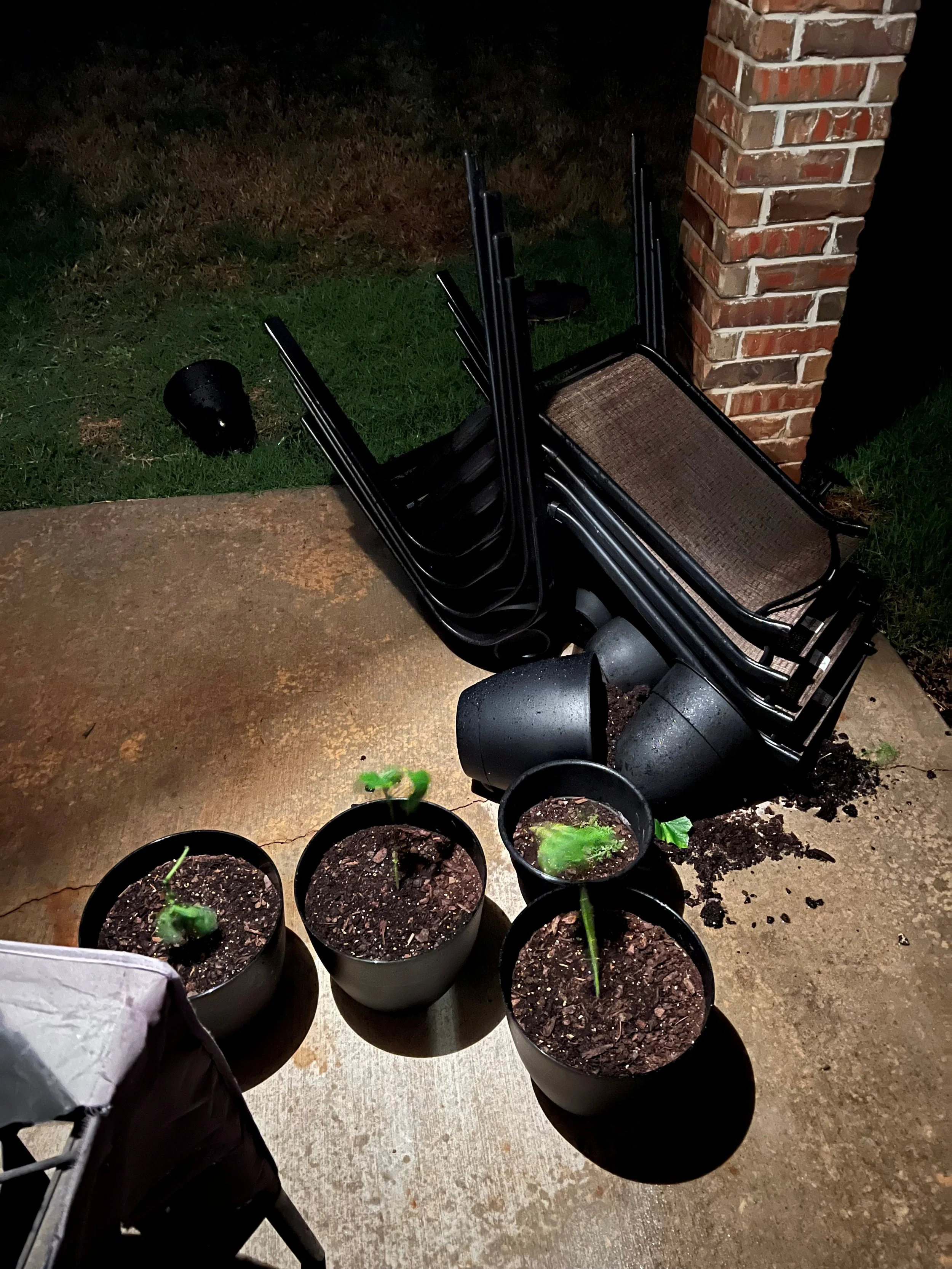
My first vegetable garden destroyed by a windstorm in Norman, Oklahoma. (Kevin Severin)
I spent the next hour outside in the rain, kneeling in the mud, scooping damp soil back into broken containers with my hands. I gathered every plant I thought still had a chance.
At one point, I remember stopping for a second and thinking, There's a lesson here. I just don't know what it is yet.
That thought ended up growing into something much bigger than the peppers ever did. Once everything dried out, I had a choice. I could decide gardening wasn't for me. Or I could become a better gardener.
So I started over. I bought fresh soil and fertilizer. I replaced the broken pots. I rearranged everything so the plants received far more sunlight throughout the day. Most importantly, I stopped rushing to shield them from every inconvenience. They stayed outside. They faced the wind. They got rained on. They experienced hot afternoons and cool nights without me constantly stepping in.
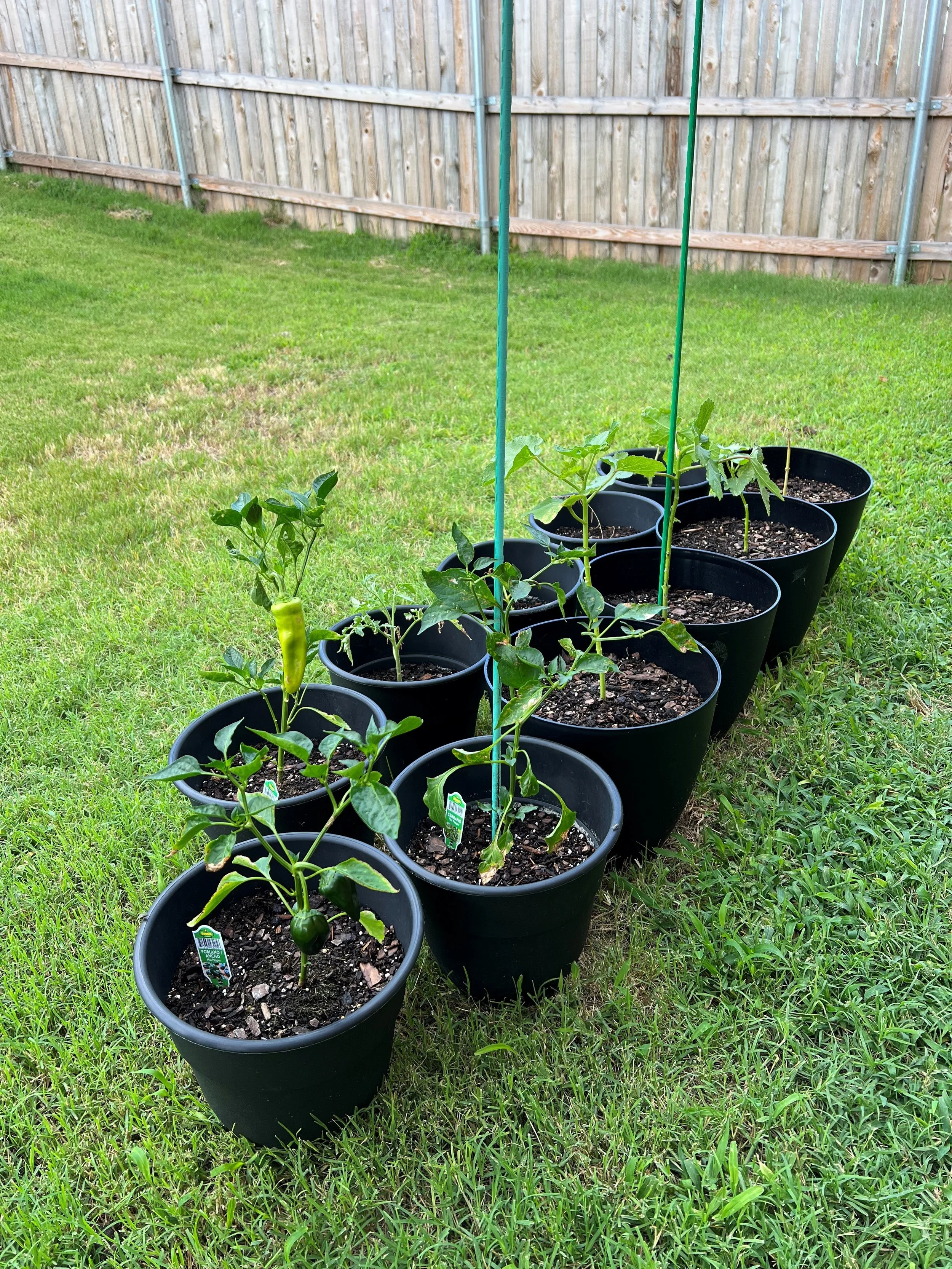
My second vegetable garden growing strong following the windstorm. (Kevin Severin)
They became healthier. The stems thickened. The leaves became darker. Growth accelerated. It turns out my plants were simply asking for the right conditions. The funny thing about gardening is that healthy plants don't grow in laboratories. They grow in changing weather.
Wind strengthens stems. Rain forces roots to adapt. Heat encourages plants to dig deeper into the soil searching for moisture. Even periods of stress can make a plant more resilient than uninterrupted comfort ever could.
Of course, there are limits. Every plant still needs healthy soil, enough water, sunlight, nutrients and room to grow. Neglect isn't the lesson here. Neither is constant protection. Growth happens when the environment supports resilience instead of replacing it.
I think people work much the same way. We spend so much energy trying to eliminate every possible hardship. We avoid difficult conversations to protect relationships. We try to prevent disappointment before it ever arrives. Parents naturally want to remove obstacles from their children's paths. We build backup plans for our backup plans in our careers. Creative people wait until conditions feel perfect before sharing their work. We want certainty before taking risks. We want guarantees before we move.
I've been guilty of every one of those. There's comfort in believing that if we just manage things well enough, life will cooperate.
Love isn't the same thing as control. Sometimes loving someone means allowing them to face challenges they have to overcome on their own. Sometimes pursuing meaningful work requires accepting uncertainty instead of eliminating it. Sometimes creating something worthwhile means publishing it before you're convinced it's perfect.
My dad understood this long before I ever planted my first pepper. He's spent his life farming, and farmers develop a relationship with uncertainty that most of us never experience. They prepare the ground. They plant the seed. They fertilize. They monitor the fields. Then they wait.
Eventually, the weather gets a vote. Some years there's abundant rain. Other years the clouds never seem to arrive. Sometimes hail destroys months of work in a matter of minutes. Sometimes the harvest exceeds every expectation.
You do everything within your control, then you let go of what isn't. That lesson reaches much further than agriculture. Control ends sooner than we'd like it to. The sooner we accept that, the more energy we can spend cultivating what actually matters instead of worrying about what never belonged to us in the first place.
Today, I have another garden. It's much smaller than the one from my childhood, and far less dramatic than my first attempt. Five pepper plants sit outside on the patio: a banana pepper, a habanero, a serrano, a mammoth jalapeño and a poblano. From my bedroom window, I can see them every morning. I still check on them often. Old habits don't disappear overnight. I still smile whenever I spot a new flower or another pepper beginning to take shape.
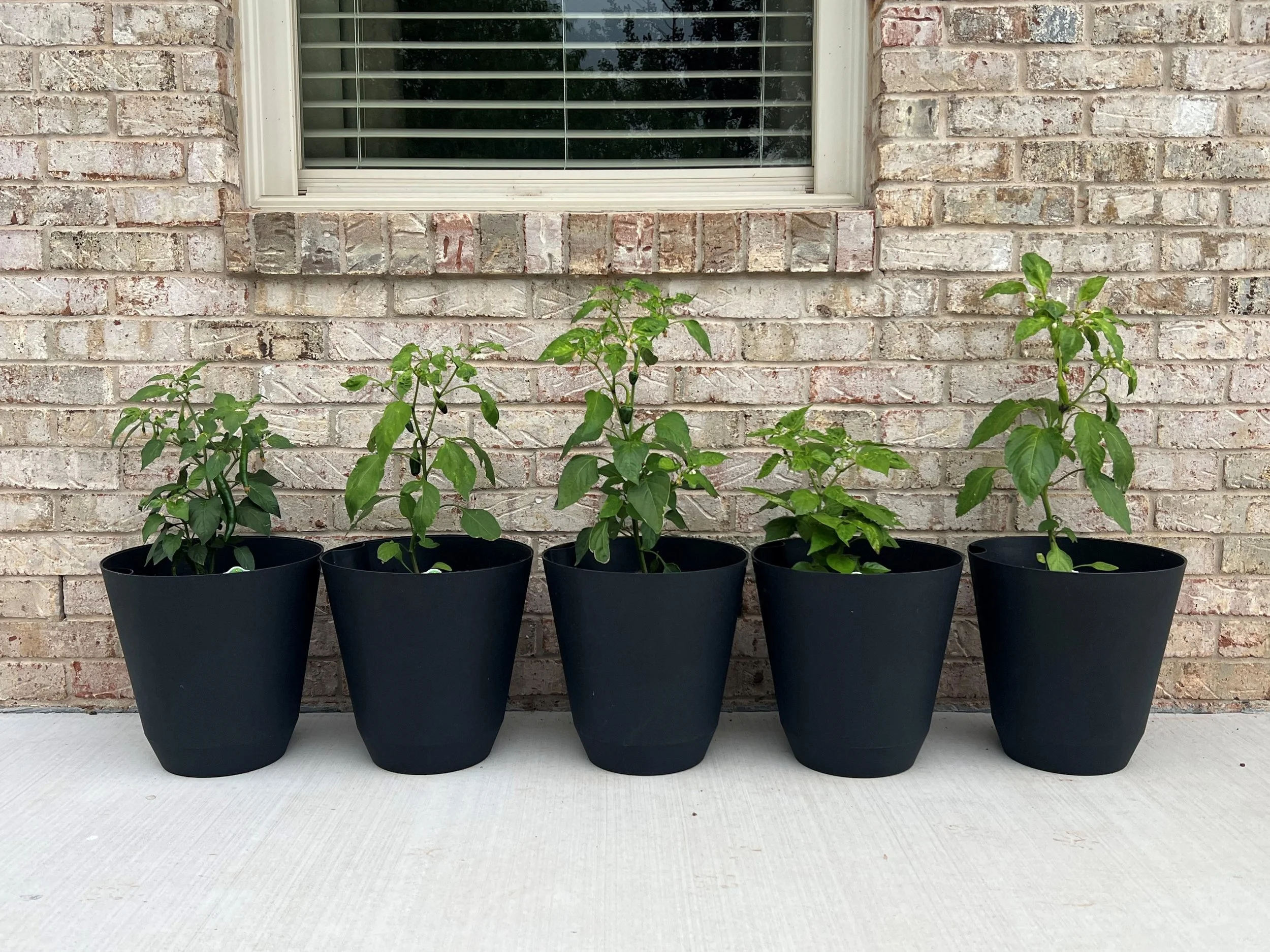
My third vegetable garden is a collection of pepper plants. (Kevin Severin)
The difference is that I don't rush outside every time the forecast changes. I don't rescue them every afternoon. I trust the process. And funny enough, it's the healthiest garden I've ever grown.
Looking back, that windstorm made me a better gardener. It also changed the way I think about nearly everything else.
The things we care about don't become stronger through constant protection. They become stronger when we create the conditions that allow healthy growth. Strong roots. Healthy soil. Plenty of sunlight. Enough room to stretch. The freedom to endure ordinary storms without assuming everything is lost.
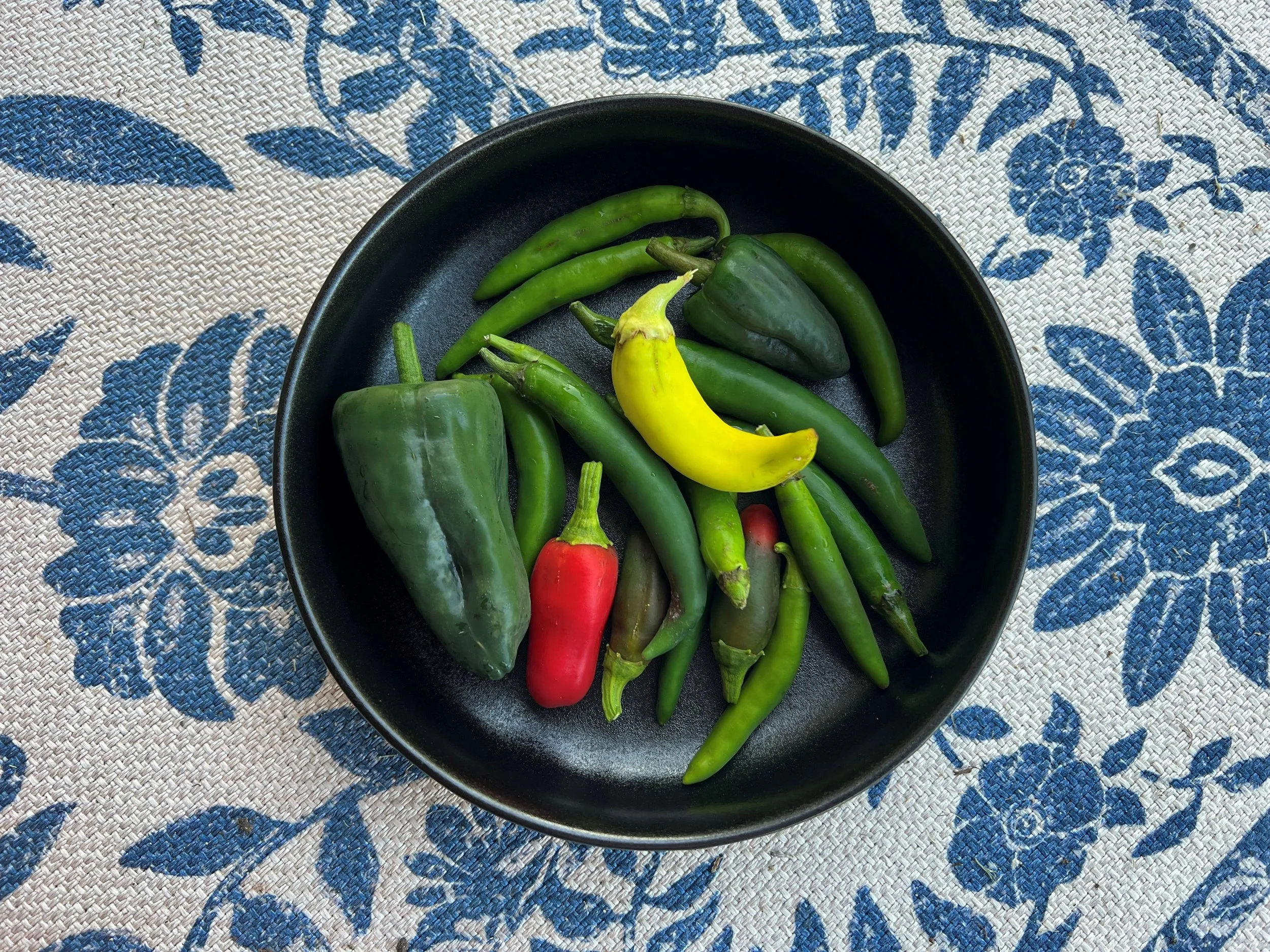
A collection of produce from my pepper garden. (Kevin Severin)
Whether it's a relationship, a career, our creativity, our faith or even ourselves, the goal isn't to remove every challenge from the path. The goal is to cultivate something resilient enough to keep growing after the weather changes.
That's what gardens have been trying to teach us all along.