
The Things We Carry Up the Mountain
I remember unzipping the tent before sunrise and stepping into air that was colder than I expected. The canyon was still hidden beneath darkness, but along the horizon a thin strip of orange had begun separating the earth from the sky. My shoes crunched against the rocky ground as I made my way toward the edge of the overlook carrying two packets of oatmeal, a canteen filled with carefully rationed water and the kind of exhaustion that only comes after spending the previous day climbing a mountain.
My friend fired up the Jetboil while I sat on a rock and watched the landscape slowly wake up around us. As the first rays of sunlight crept over the horizon, the colors changed by the minute. Deep blues gave way to purple, purple turned to orange and before long the canyon walls seemed to glow from within. The mountains that had looked intimidating just twelve hours earlier now felt welcoming. We sat there eating oatmeal not saying much and simply watching the morning arrive.
Looking back, that sunrise was the real reward of the trip.
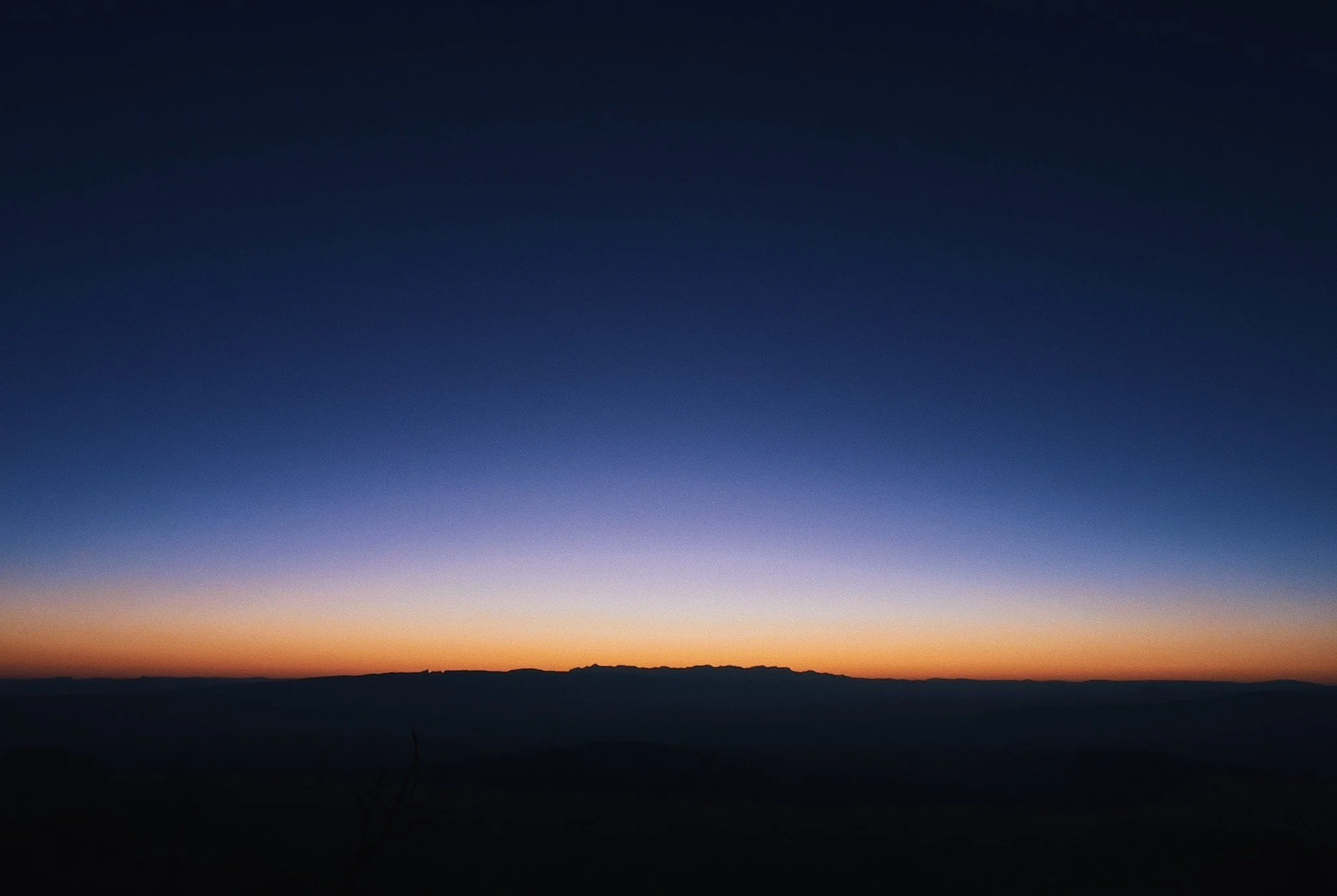
A morning sunrise atop Emory Peak in Big Bend National Park. (Kevin Severin)
The summit had been the objective, but this moment was the payoff. It was the realization that all the planning, worrying, sweating and second-guessing had led to something most visitors to Big Bend never get to experience. More importantly, it was the first time since arriving at the park that I wasn't thinking about everything that could go wrong. My concerns about water, the hike back down and whether we had packed enough supplies had finally loosened their grip. For a few minutes, I was completely present, and that's a rare feeling in a world where our attention is usually somewhere else.
The funny thing is that none of this existed a few months earlier beyond a simple conversation.
The trip had started as my friend's idea. Backpacking through Big Bend National Park sounded adventurous enough while sitting comfortably at home, but the reality of carrying everything we needed on our backs through one of the most remote regions in the country felt like an entirely different commitment. Located in far West Texas along a massive bend in the Rio Grande, Big Bend is one of those places that feels impossible to fully describe until you've seen it yourself. The park covers more than 800,000 acres, and the landscape changes so dramatically from one area to another that it can feel like you're visiting several national parks at once. One moment you're surrounded by desert, the next you're climbing into pine-covered mountains.
Once we committed to going, we did what every aspiring backpacker does: we went to REI and spent an alarming amount of money.
What I learned very quickly is that backpacking gear exists in its own strange economic universe. A normal pillow costs twenty dollars. A backpacking pillow costs fifty dollars and somehow feels less comfortable. Every piece of equipment is designed around the same goal: reducing weight. Backpackers obsess over ounces the way fantasy football managers obsess over injury reports. When you're carrying everything on your back for miles at a time, saving a pound genuinely matters. The result is an entire industry dedicated to creating lightweight versions of things that humanity had already perfected decades ago.
We purchased sleeping bags, sleeping pads, food pouches, water filtration equipment, a Jetboil and enough miscellaneous gear to make us feel like we were preparing for an expedition across Antarctica rather than a weekend in Texas. The day before leaving, we spread everything across the floor and attempted to fit our lives into backpacks. By the time we finally loaded the car and began the long drive south, the excitement had started to outweigh the anxiety.
The drive itself felt like part of the adventure. With every hour that passed, civilization seemed to fade a little more into the background. Towns became smaller, gas stations became scarcer and eventually mountains began appearing on the horizon.
The night before our climb, we camped in the park, ate our first backpacking meals and tried to settle into the rhythm of outdoor living. It was during those early hours around camp that I began noticing something interesting about our group. While we were all preparing for the same hike, each of us seemed to be carrying a completely different concern.
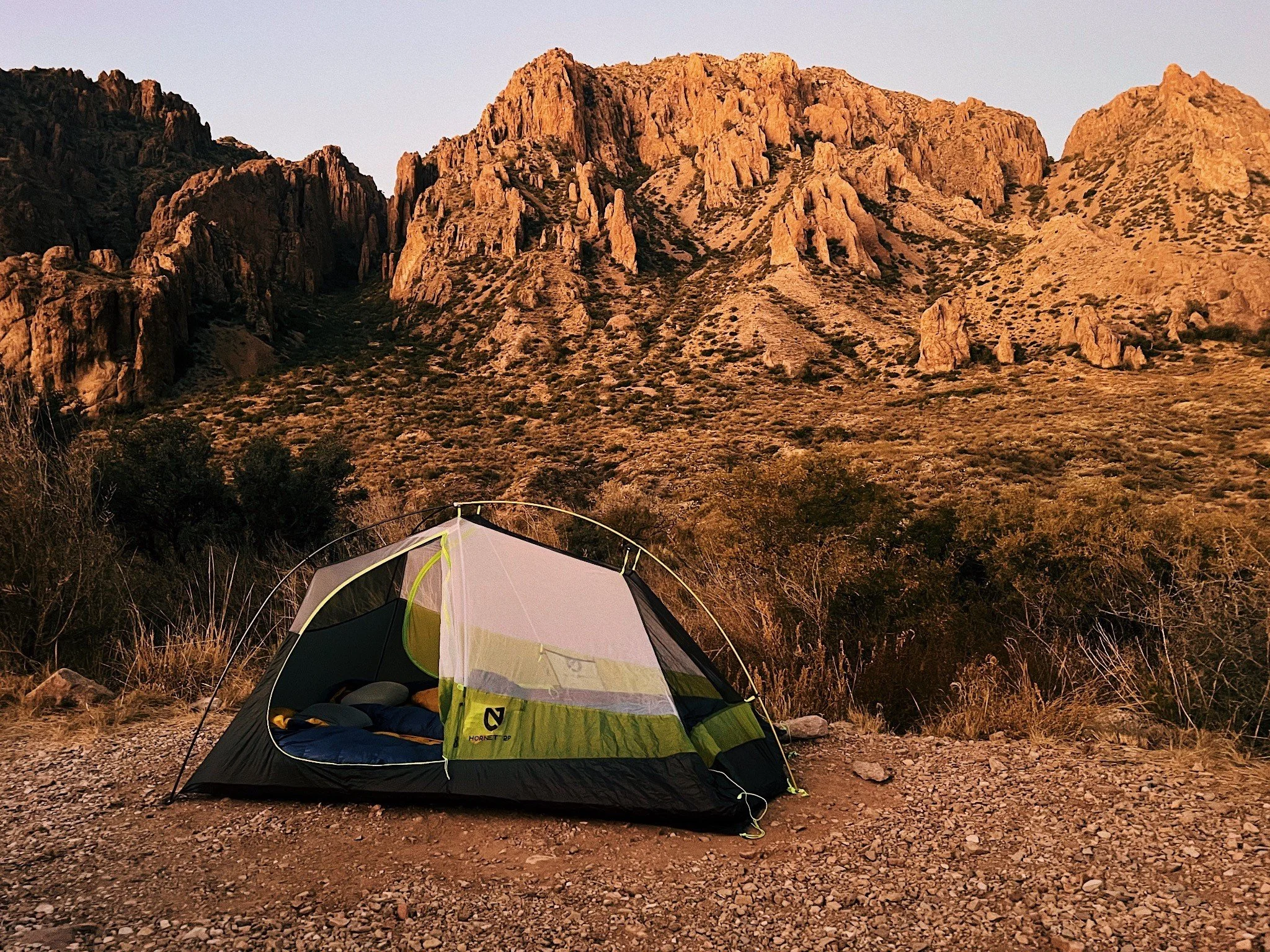
Our backpacking tent in Big Bend National Park. (Kevin Severin)
One person worried about wildlife. Another worried about whether we had packed enough food. Someone else questioned whether our bodies was ready for the climb. My concern centered almost entirely around water. I kept mentally calculating how much we had, how much we would need and what would happen if we misjudged either number. The fears themselves were different, but they all shared one thing in common: they appeared long before we ever started hiking. Nobody had taken a step up the mountain, yet we were already carrying invisible weight.
Carl Jung believed growth comes not from avoiding our struggles but from confronting them honestly. A mountain has a way of revealing what we're carrying, both in our packs and in ourselves. The weight that challenges us most is often the weight we haven't acknowledged.
The next morning, we started climbing.
The hike to Emory Peak is beautiful in the same way a marathon is beautiful. There are moments when you feel strong and capable, moments when the scenery leaves you speechless and moments when you're convinced you have made a terrible mistake. As the trail climbed higher, the views became increasingly impressive, revealing massive stretches of desert below us. The higher we climbed, the smaller everything seemed.
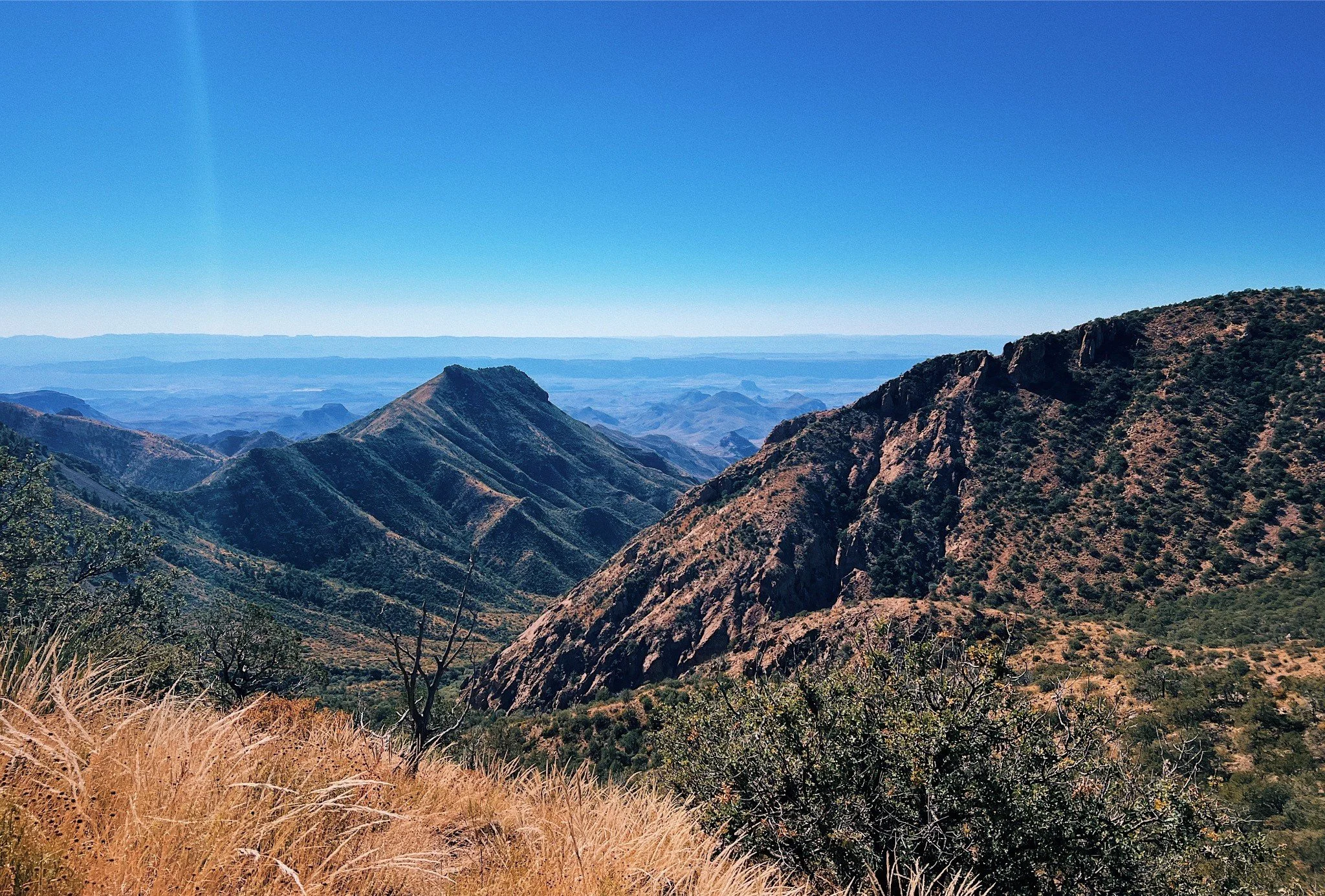
The vast landscape of Big Bend National Park from Emory Peak. (Kevin Severin)
The Texas sun eventually made its presence known, and our pace slowed considerably. We stopped often, sometimes to drink water and sometimes to admire the scenery. If I'm being honest, there were several occasions where "admiring the scenery" was simply a socially acceptable way of saying, "I need a minute before my legs file a formal complaint."
My concern about water followed me for most of the climb. Every sip felt like a decision that might matter later. What if we drank too much? What if we didn't have enough for dinner? What if we ran low on the hike back down? Looking back, it's obvious that I was spending far more energy worrying about a future problem than dealing with the reality in front of me.
That tendency nearly led me into one of the more ridiculous moments of the trip.
As we approached the summit, I spotted several prickly pear cacti growing beside the trail. In my mind, I had stumbled upon an emergency hydration plan. Without fully thinking it through, I walked over and reached for one of the fruits. Before I could grab it, my friend stopped me and explained that the fruit was covered in tiny needles capable of turning a simple snack into a very memorable medical situation.
At the time, it felt like a funny moment. Later, it felt symbolic. I had become so focused on solving a problem that didn't actually exist that I was about to create a brand-new one. Fear has a way of doing that. It convinces us that action is always better than patience, even when patience is exactly what's required.
Eventually, after hours of climbing, we reached the summit.
The views were every bit as spectacular as we had hoped. Mountains stretched endlessly into the distance and deep canyons carved through the landscape below us. At one point, we yelled into the vastness and listened as our voices echoed back from somewhere far away. It was childish, completely unnecessary and exactly the sort of thing you should do when standing on top of a mountain.
We were exhausted. Not metaphorically exhausted. Actually exhausted. Yet beneath the fatigue was a tremendous sense of relief. For months, this hike had existed as an idea, a challenge waiting in the future. Now we were standing at the top looking back at the trail that had consumed so much of our attention.
What I didn't realize at the time was that the summit wasn't going to be the part I remembered most. The next morning would claim that title.
As I sat there watching the sunrise with a bowl of oatmeal in my hands, I started thinking about something I had read in The Mountain Is You. The book argues that many of the mountains we struggle against aren't external obstacles at all. They're internal. They're made up of fear, self-doubt, overthinking and all the stories we tell ourselves about what might happen.
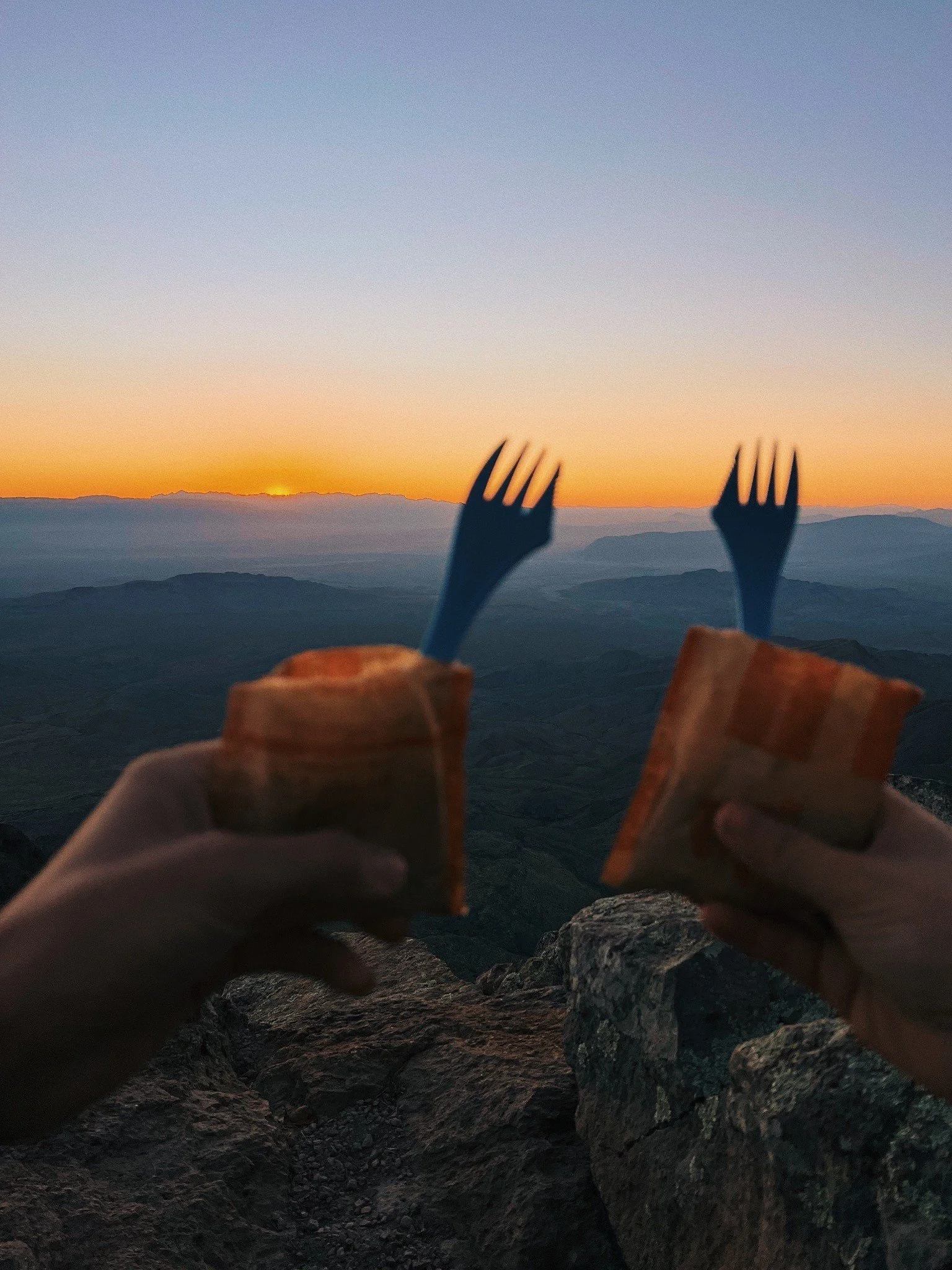
Eating oatmeal at sunrise atop Emory Peak in Big Bend National Park. (Kevin Severin)
Standing there overlooking the canyon, that idea suddenly felt less theoretical. The mountain hadn't changed overnight. It was still the same mountain we had climbed the day before. The difference was that we were no longer looking up at it. We were standing on it.
Challenges often seem impossibly large when they're in front of us, but once we've worked our way through them, they become part of the landscape behind us. The thing that once dominated our thoughts eventually shrinks in the rearview mirror. We stop seeing the mountain as something towering over us and start seeing it as something we've crossed.
That's what made the sunrise so meaningful. It represented the moment when all of those fears we'd carried into the experience finally lost their influence. Nobody was worried about bears. Nobody was worried about food. Nobody was questioning whether they could complete the hike. We were there, sharing breakfast and watching a new day arrive.
The hike down felt entirely different from the climb up. The pressure that had accompanied us all morning was gone, replaced by the simple satisfaction of having accomplished what we came to do. Every switchback seemed to bring us closer to civilization, closer to comfortable chairs and closer to the giant cold drink that had become the subject of several conversations.
Of all the fears our group carried, mine was the last to disappear. It wasn't until we reached the bottom that I finally stopped worrying about water and accepted what should have been obvious all along: we had enough. We always did. The adventure, however, wasn't finished.
After the hike, we made our way toward the Rio Grande, where we spent time skipping rocks across the water and soaking our tired legs. Compared to the previous two days, everything felt wonderfully relaxed. There was no summit to reach, no schedule to follow and no urgency beyond deciding who could skip a rock the farthest.
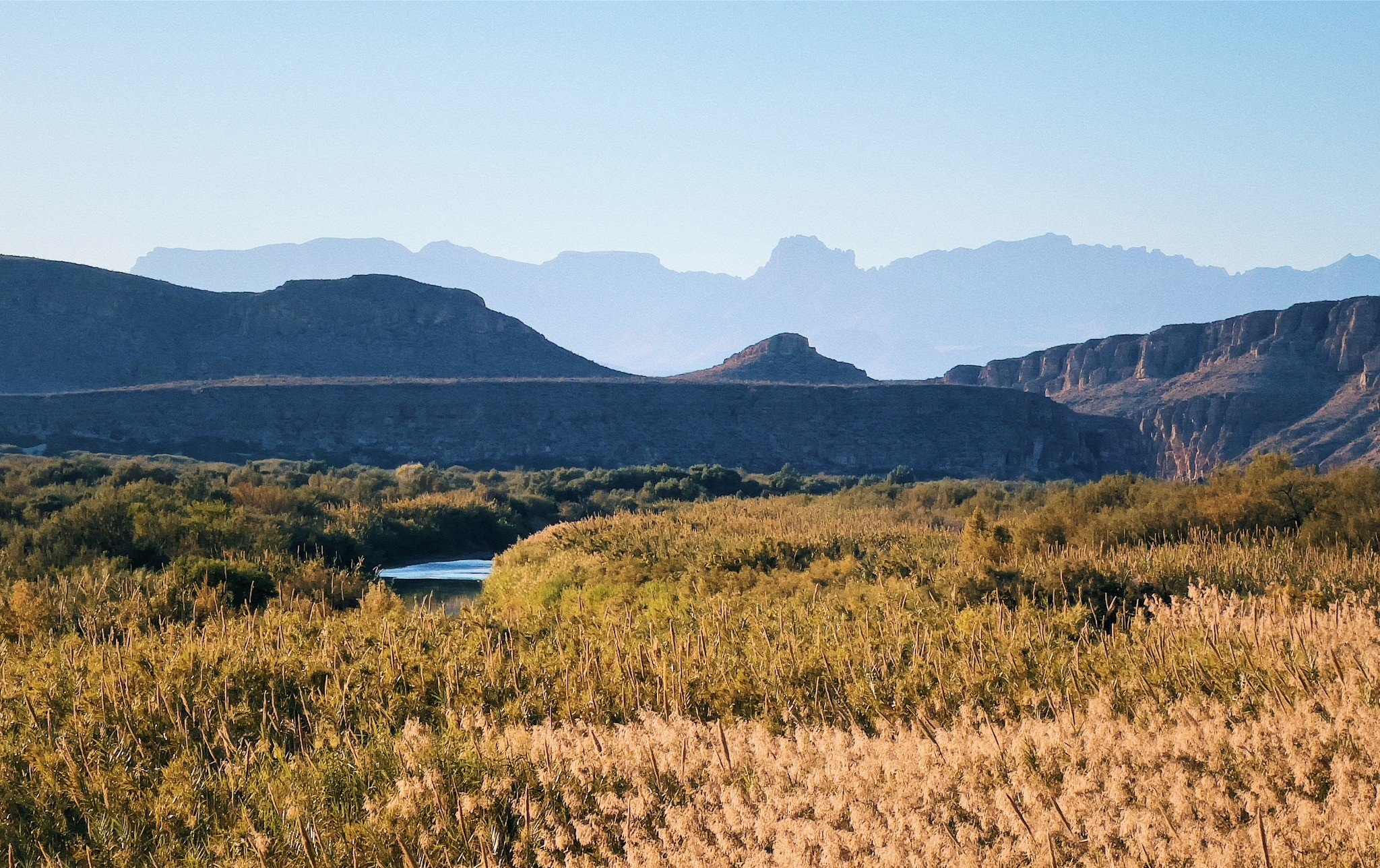
The Rio Grande River flows in the distance in the Rio Grande River Valley. (Kevin Severin)
That evening brought what remains the most intense windstorm I've ever experienced.
The gusts hammered our tents for hours, bending poles and rattling fabric with enough force to make sleep nearly impossible. Nearby horses wandered through camp, neighing into the darkness. At several points during the night, I became genuinely concerned that we might wake up somewhere in New Mexico.
When morning finally arrived, we took showers at a travel center that looked like it had seen some things. After cleaning up and feeling human again, we headed toward one of the most memorable parts of the trip: crossing into Boquillas, Mexico.
The crossing itself felt wonderfully unconventional. A man ferried visitors across the Rio Grande in a small rowboat for a few dollars, while others simply walked through the shallow water. Once we reached the opposite bank, donkeys and horses waited to carry visitors into town, creating an experience that felt far removed from the typical border crossing.
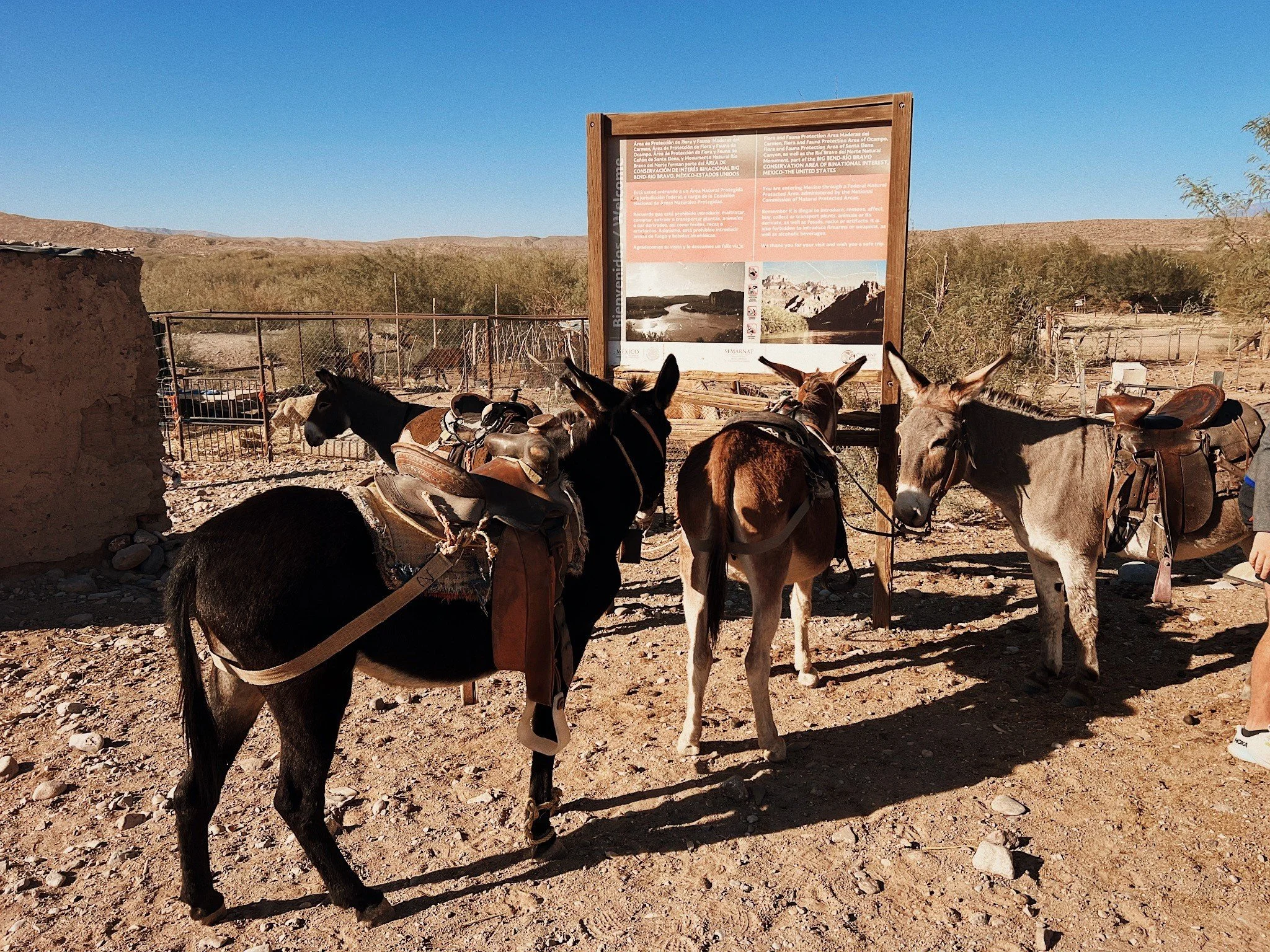
Donkeys stabled in Boquillas, Mexico. (Kevin Severin)
Boquillas was charming. We spent the afternoon eating authentic Mexican food, browsing handmade souvenirs and enjoying the slower pace of life.
Eventually, we made our way back across the Rio Grande and started the long drive home.
When I think about that trip now, I don't think about the gear first. I don't think about the summit, the windstorm, or even the donkeys in Boquillas. What I remember most clearly are the fears we carried with us.
The mountain wasn't really the challenge. The challenge was everything we brought up the mountain with us.
Our doubts, our worries. and our need to control outcomes that hadn't happened yet. Our tendency to solve problems that didn't exist while overlooking the reality right in front of us.
The climb exposed those things. And after seeing that sunrise over the canyon, those fears became a little lighter. Not gone entirely. But lighter.
The things we carry up the mountain rarely weigh the same on the way down.