
Who You Become When No One Is Watching
I was struggling by this point. The final two miles were brutal. The sun had climbed higher, the breeze disappeared and the course felt like it had turned against me. Twenty-four miles in, I was technically in the home stretch, but the finish line felt like it kept inching farther away. My legs had that heavy, uncooperative feeling—like they were part of the team, just not fully bought in anymore. Then came the turn.
Before reaching the row of 168 faces, I slowed down and caught my breath. Not a full stop, but enough to gather myself. I was determined to run across that finish line, no matter the cost. And then I saw them.
Photos—one after another—lined the stretch. Faces of the 168 people who lost their lives in the Oklahoma City bombing. Some smiling, some serious and all frozen in time. The energy shifted instantly. It wasn’t about pace anymore. It wasn’t about splits or miles or how my legs felt. It was about finishing with intention.
I didn’t just wake up one day and decide to run a marathon and magically be ready for it. That would’ve been a much better story, honestly. Instead, it started in December with two miles every morning. Just me, a pair of shoes and a growing suspicion that I had signed up for something much bigger than I realized.
At first, it was manageable. Two miles turned into three. Three turned into four. The distances crept up slowly, like a bill you keep ignoring until it gets your attention. Then winter showed up. There were mornings where the air stung your face the second you stepped outside. One run in particular stands out—the kind where it was sleeting sideways. I remember standing at the door debating whether this was a sign to take a rest day. It wasn’t. Or at least, that’s what I told myself as I stepped out into it.
Later on, the opposite problem showed up. Oklahoma decided it was done with spring and jumped straight into summer. Eighty-five degrees felt like a personal attack when you’re halfway through a long run with no shade in sight. And then there were the days that had nothing to do with weather. Days where I was tired. Days where work drained everything out of me. Days where the last thing I wanted to do was lace up and head back outside. Days where literally anything else sounded better.
Those were the important ones. No one was watching. No one was keeping score. There was no crowd, no finish line and no medal waiting at the end of a random Tuesday run. It was just a decision—over and over again—to show up anyway.
That’s the part people don’t really see when they hear “marathon.” They see race day. They see the photos, the crowds and the finish line. They don’t see the hundreds of miles logged when it would’ve been easier to skip. They don’t see the internal negotiations that happen before every run.
The training didn’t build some brand-new version of me. It revealed what was already there. It showed me how I respond when things are inconvenient and I’m uncomfortable. When no one’s handing out encouragement.
That’s who you become when no one is watching.
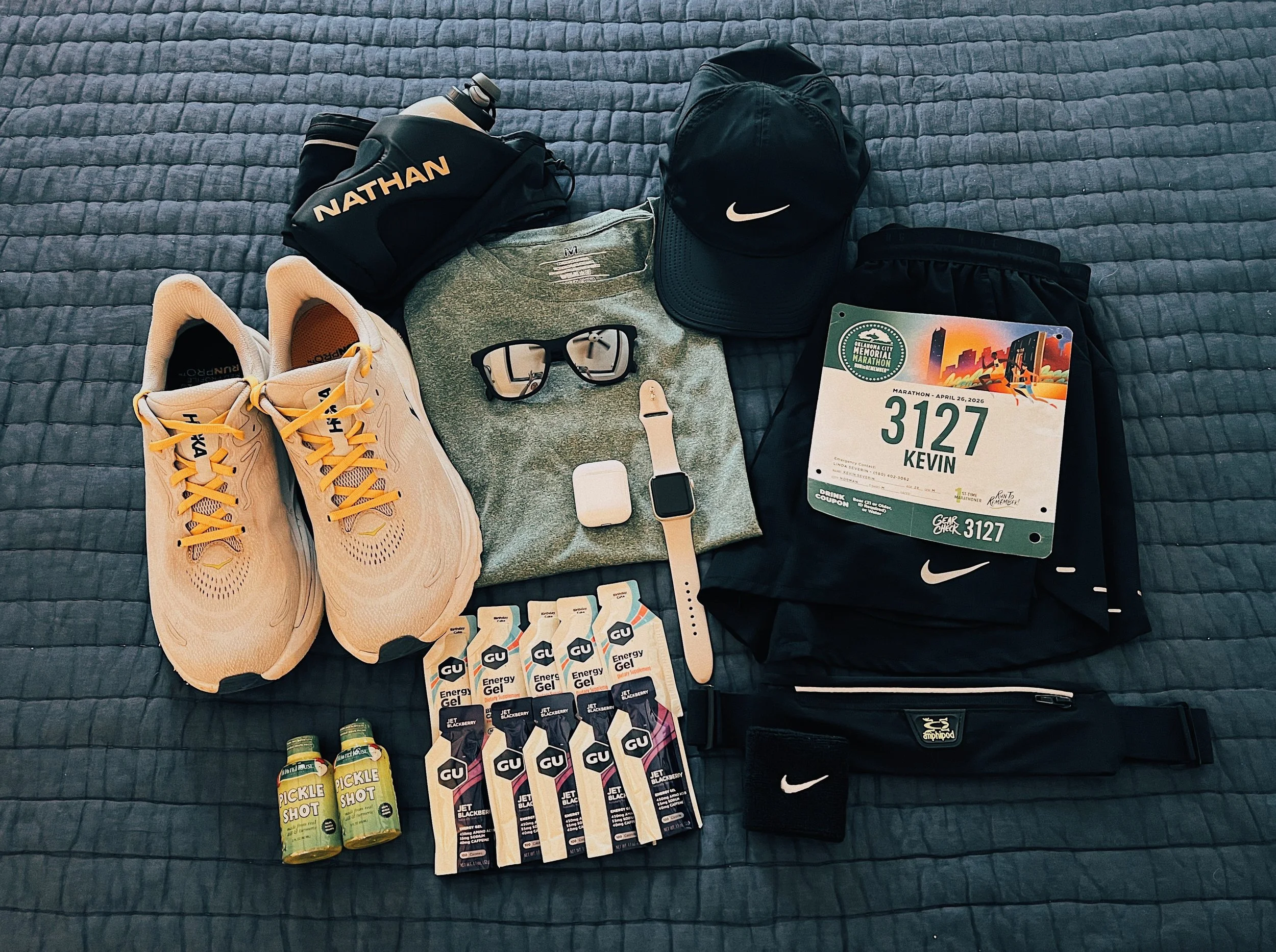
My running gear displayed the night before the Oklahoma City Memorial Marathon. (Kevin Severin)
Race day felt different from the start.
The Oklahoma City Memorial Marathon begins just outside the memorial in Midtown. Runners are placed in corrals based on expected finish times, all packed together in that pre-race mix of nerves and excitement. Right before the start, there’s a 168-second moment of silence—one second for each life lost in the bombing.
It’s hard to describe what that feels like in a crowd that large. Thousands of people, completely still. No music. No chatter. Just presence.
Then the race begins.
I had everything dialed in. Bib pinned. Running belt loaded like I was heading into battle—ten GU gels, two pickle shots and caffeine pills. At one point I realized I had more supplies than a small convenience store, but I wasn’t about to risk running out of fuel at mile 20.
The first half of the race felt almost… easy. Crowds lined the streets, people cheering, music playing, and signs everywhere. The route winds through some of the most recognizable parts of Oklahoma City—neighborhoods, downtown stretches and places that feel familiar even when you’re running past them at a pace you don’t usually move.
At mile 8, the half marathoners split off. And just like that, everything changed. The noise faded. The crowds thinned. It got noticeably quieter—not in a peaceful way, but in a “this just got real” kind of way. The marathon course stretched ahead and suddenly it felt a lot longer.
Miles 14 through 18 were where things started to settle in. I called my mom around mile 14, partly to check in and partly to distract myself. We talked for a bit, and for a moment it felt like a normal day, not like I was halfway through running 26.2 miles.
Then mile 18 hit.
That’s when you start noticing things. Other runners slowing down. Some walking. Some stretching on the side. You start wondering when it’s going to be your turn to hit that wall everyone talks about. I kept waiting for it.
At mile 22, something unexpected happened. I saw my friend Clay and his girlfriend Megan. I wasn’t expecting them there, and it caught me off guard in the best way. Then, between miles 22 and 23, I saw more friends—people who took time out of their day just to stand there and cheer me on.
That mattered more than I thought it would. There’s something about hearing your name when you’re that deep into a race. It cuts through the fatigue. It reminds you that you’re not doing this in a vacuum. For a few moments, the exhaustion takes a back seat. It gave me exactly what I needed to keep going.
A couple days before the race, I visited the Oklahoma City National Memorial & Museum. If you’ve never been, it’s something you have to experience in person. Photos and descriptions don’t fully capture it. The bombing of the Alfred P. Murrah Federal Building on April 19, 1995, took 168 lives, including 19 children. It remains one of the most devastating acts of domestic terrorism in U.S. history.
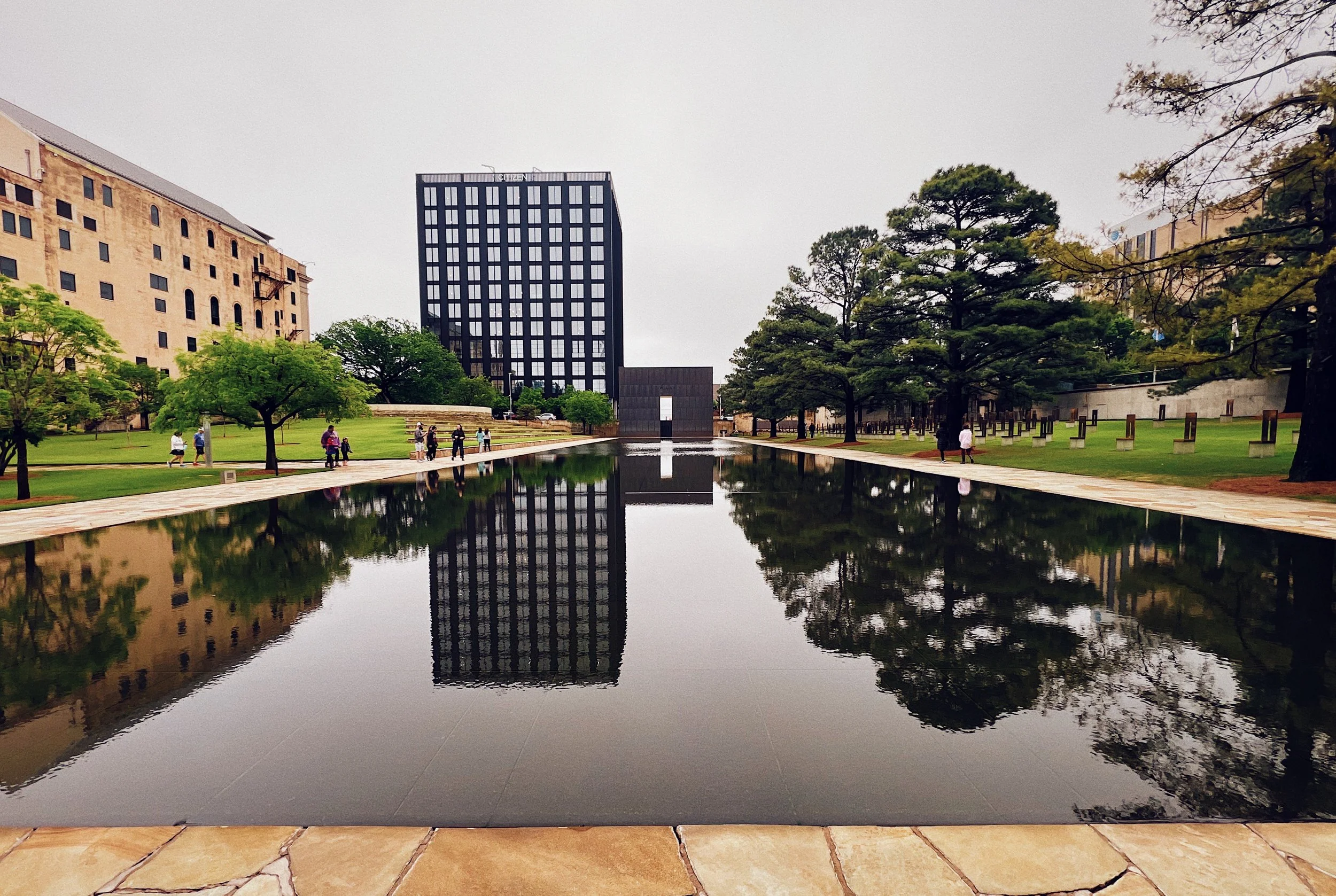
The Oklahoma City National Memorial reflecting pool. (Kevin Severin)
Walking through the museum, you don’t just learn about what happened—you feel it. The timeline, the artifacts and the stories. It’s all presented in a way that makes it impossible to stay detached. The Gallery of Honor was the part that hit me the hardest. Floor-to-ceiling photos of all 168 victims. Each one with a name, a face and a life behind it. They weren’t numbers. They were people. Standing there, you start to understand why the marathon isn’t just a race. It’s a remembrance. A way for thousands of people to come together and move forward, step by step, in honor of those who can’t.
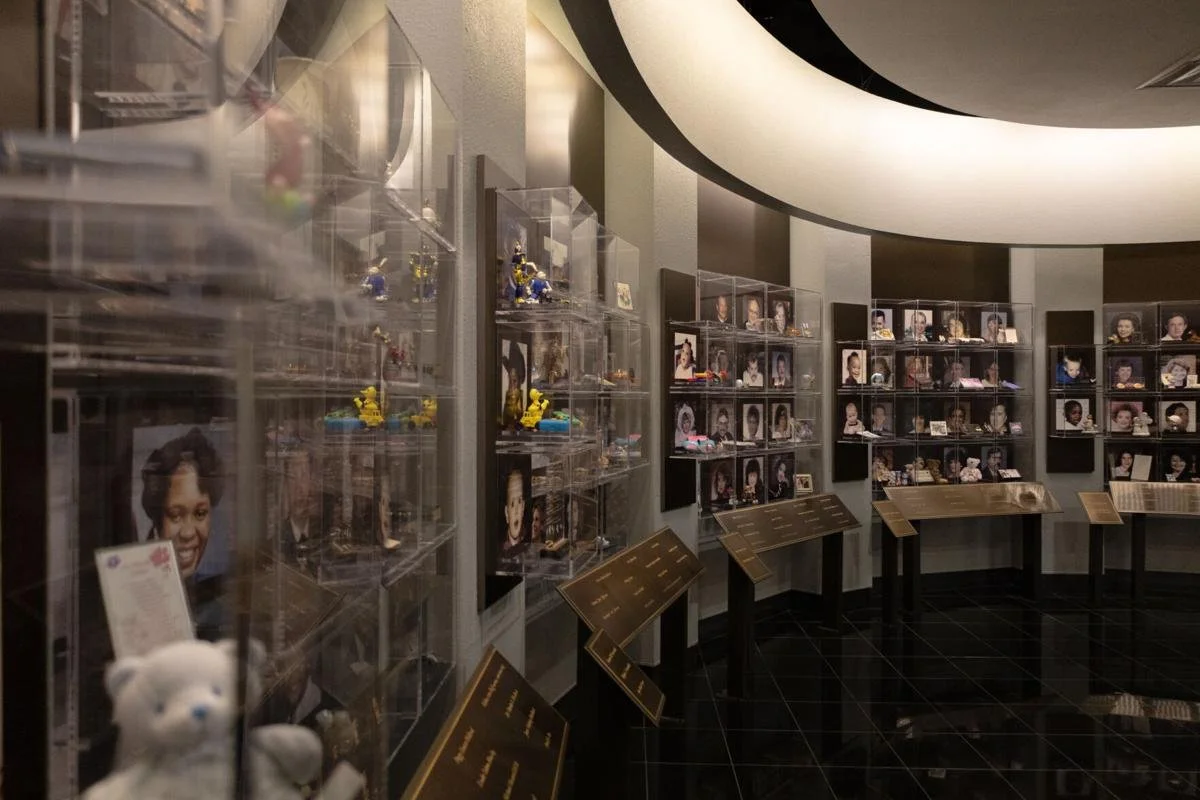
The Oklahoma City National Museum Gallery of Honor. (Kevin Severin)
By the time race day arrived, that perspective stayed with me. Especially in those final miles. As I passed those 168 faces near the finish, everything connected. The early mornings. The freezing runs. The hot afternoons. The days I didn’t feel like doing it. The miles no one saw. That was the real work.
Crossing the finish line wasn’t the moment that defined the experience. It was just the visible part of something that had been building for months. Who you become when no one is watching—that’s the part that matters.
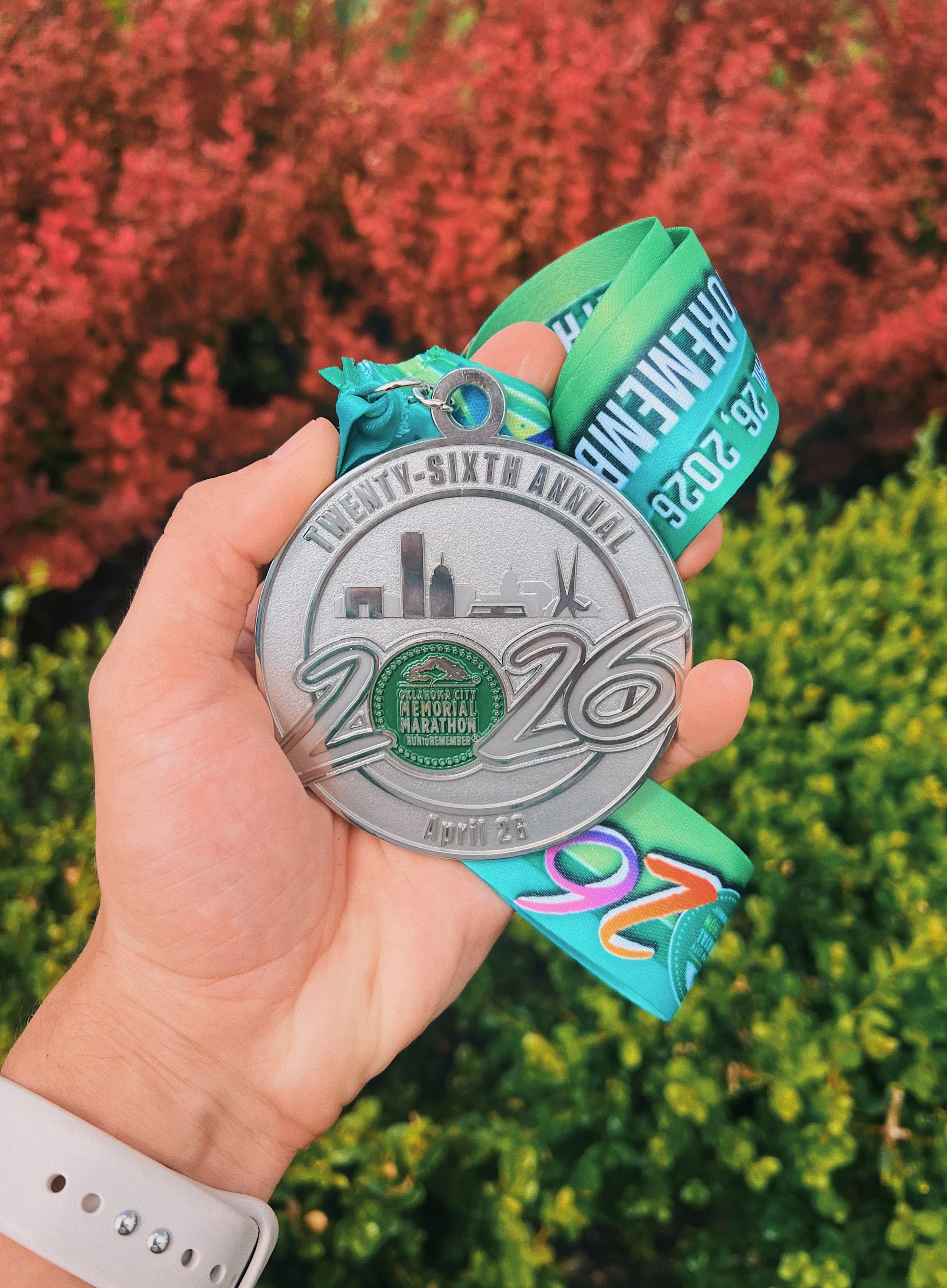
Me with my Oklahoma City Memorial Marathon medal. (Kevin Severin)
It’s not about the medal. It’s not about the time on the clock. It’s about the decisions made in the in-between moments. The ones that don’t get posted, don’t get celebrated and don’t get acknowledged by anyone else. That’s where the change happens.
Calvin Coolidge famously wrote that nothing can take the place of persistence. Talent may create opportunities, but persistence determines who remains when the work becomes difficult.
I ran across the finish line like I said I would. Not perfectly, but I ran it! And if I’m being honest, I don’t remember what song was playing or who was standing nearby. What I remember is the process. I remember the version of myself that showed up when it would’ve been easier not to. The version that kept going when things got uncomfortable. The version that learned discipline without needing validation.
I’ll run more races. I’ll sign up for more things that seem like a good idea at the time and questionable later. That’s kind of the pattern now.
But this one set the tone.
This race is over, but the version of me it revealed is the one I plan to keep.